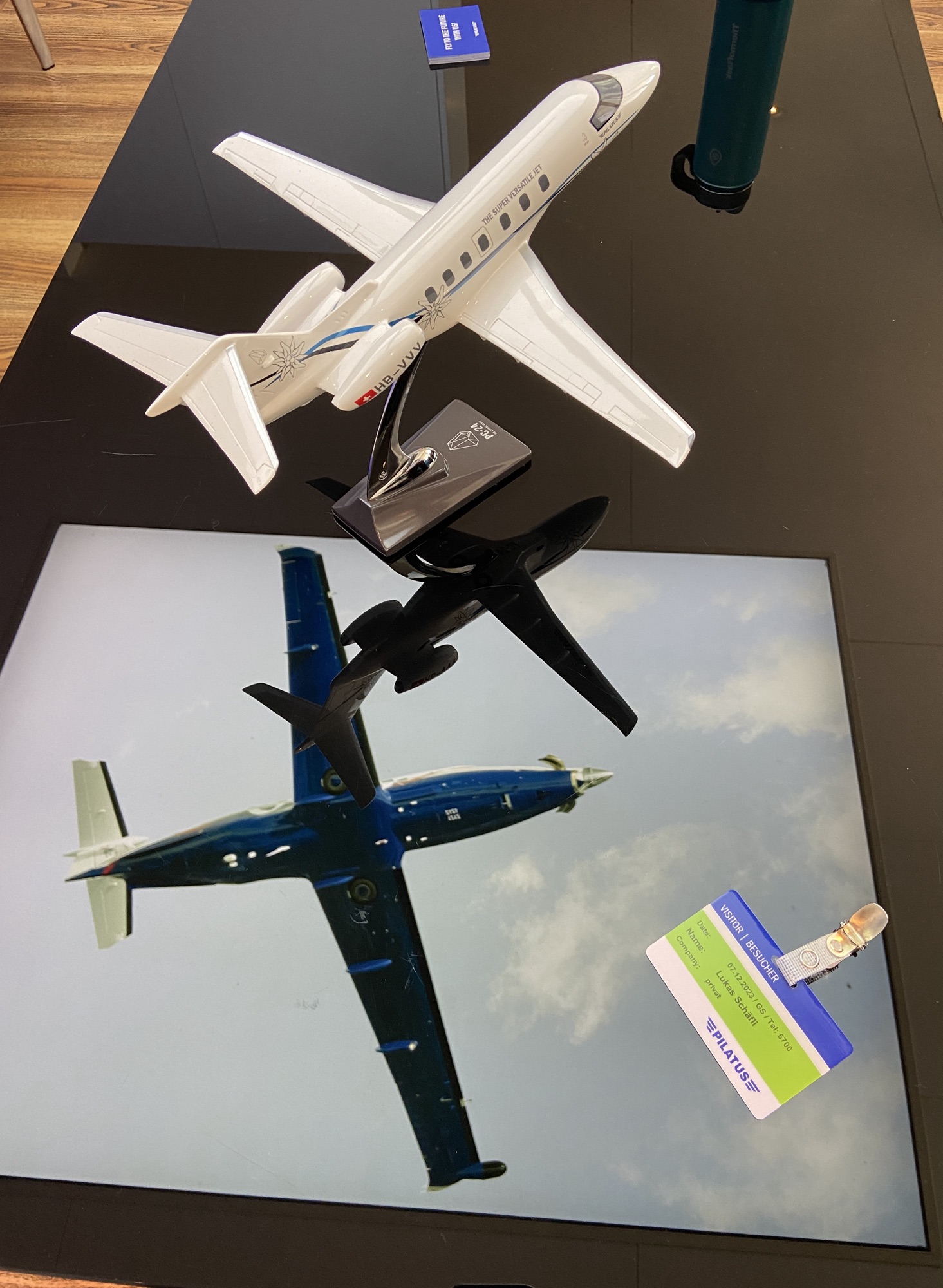
How to decide between a turboprop and a jet aircraft requires a multifaceted approach. At the most basic level though, if the distance between destinations is less than 500 miles a turboprop like the Pilatus PC-12 is not only easier on the wallet but checks most every box that a jet would, except for the redundancy of a second engine and 10 minutes less travel time. The further advantages of the PC-12 include accessing short and unimproved runways, a cavernous cargo door, spacious seating for 6 to 8 guests, and a non-stop range of over 800nm with a fully loaded cabin.
The Pilatus PC-24 is a twin-engine jet comes into the realm of practicality when mission profiles exceed 500nm flight legs. The PC-24 can carry a higher payload than the PC=12, and clear most weather as its service ceiling is considerably above that of the PC-12.
Cost Per Mile Analysis
PC-12 @300hrs per year:
- Miles flown. 300hrs*250kts=75,000nm
- Fuel. $5.5*65g*300hrs=$107,250
- Avg. Hourly Rate. $900*300hrs=$270,000
- CPM. $377,250/75,000nm= $5.03
PC-24 @75,000 miles per year:
- Equivalent Hours. 75,000nm/390kts=192hrs
- Fuel. $5.5*160g*192hrs=$168,960
- Avg. Hourly Rate. $1,500*192hrs=$288,000
- CPM. $456,960/75,000nm= $6.09
Cruise Speed Penalty To Capture Operational Speed
- PC-12 Published Avg. 270kts = @250kts= 20kts
- PC-24 Published Avg. 440kts = @390kts= 50kts